November 19, 2026
A properly installed heating system does more than keep a home or business comfortable during colder months. It must also meet applicable building codes, safety requirements, and manufacturer specifications to operate reliably and protect occupants. Heating contractors follow several important compliance checks when installing, maintaining, or repairing heating equipment. Understanding these requirements can help property owners recognize the importance of professional heating services and keep their systems operating safely.
Verifying Proper Equipment Installation
One of the first code compliance checks involves confirming that heating equipment is installed in accordance with applicable building codes and manufacturer instructions. Furnaces, boilers, and ductless heating systems each have specific installation requirements that affect their safety, performance, and efficiency.
Heating contractors evaluate several factors before completing an installation, including:
- Proper equipment placement and mounting.
- Required clearances between heating equipment and combustible materials.
- Adequate space for maintenance and future repairs.
- Correct connections to existing heating components.
- Compliance with manufacturer installation specifications.
Equipment that is incorrectly positioned or improperly connected can create safety concerns and reduce system performance. Contractors must also consider the building's layout and heating requirements when selecting an appropriate system. Following installation standards helps ensure that new equipment operates as intended and meets applicable requirements.
Checking Ventilation and Combustion Air Requirements
Heating systems that burn fuel require adequate air for combustion and appropriate ventilation to remove exhaust gases. Improper ventilation can contribute to dangerous conditions, including carbon monoxide exposure, making this an essential part of heating system inspections.
During this process, heating contractors examine vent pipes, exhaust connections, and combustion air openings. They verify that exhaust gases can safely exit the building and that the equipment receives sufficient air to operate correctly. Contractors also look for obstructions, damaged venting materials, loose connections, and other issues that could interfere with proper airflow.
These checks are especially important when installing or replacing furnaces and boilers. Changes to building layouts, insulation, or ventilation can affect how existing heating equipment receives combustion air. Addressing these conditions helps protect occupants while supporting reliable system operation.
Inspecting Gas Lines and Fuel Connections
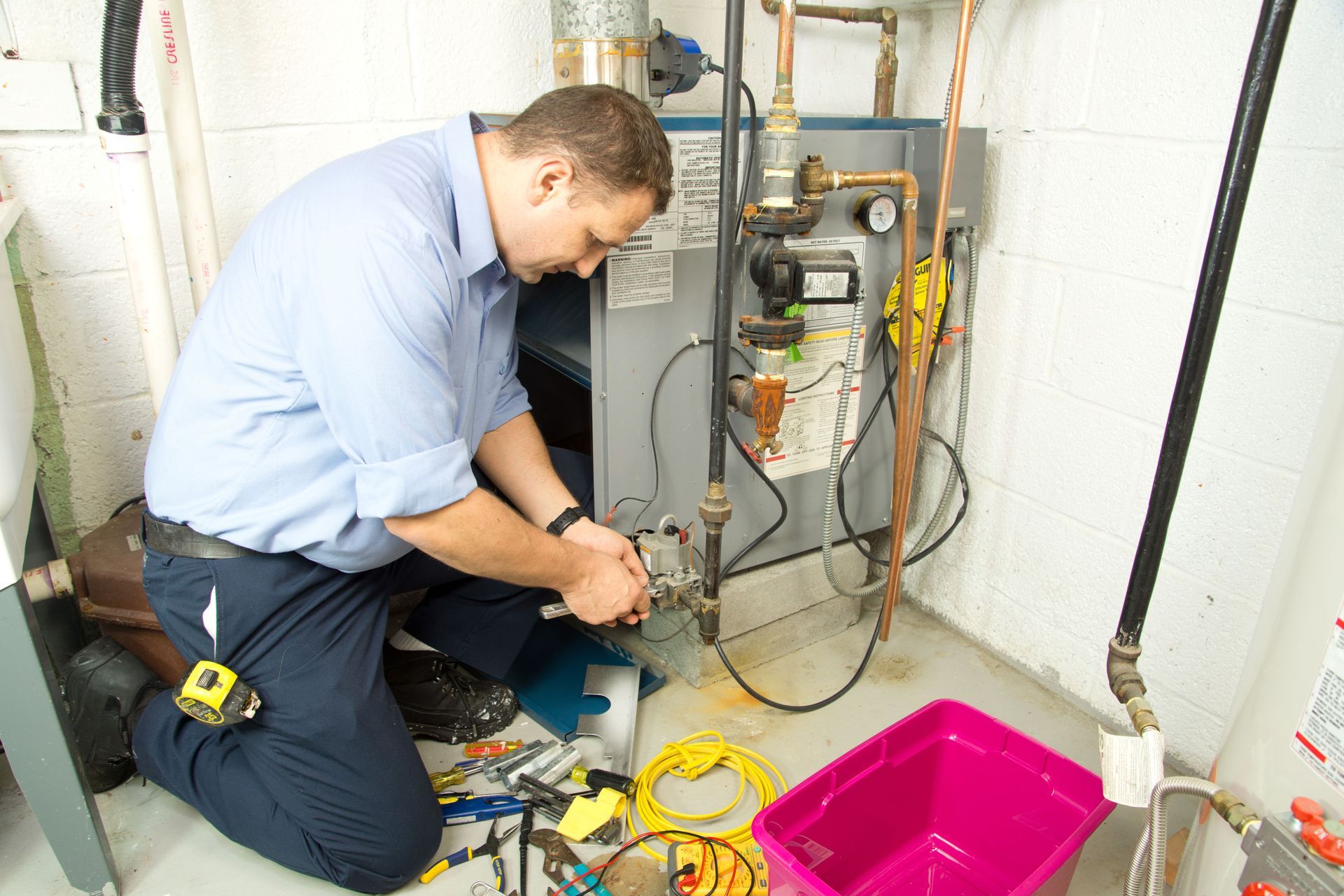
Gas-fired heating equipment requires properly installed fuel connections to reduce the risk of leaks, fires, and equipment malfunctions. Contractors must verify that gas lines and connections meet applicable fuel gas requirements and manufacturer specifications.
Important inspection points include:
- Checking fuel connections for signs of damage or deterioration.
- Verifying that gas piping is appropriately sized for the equipment.
- Inspecting shutoff valves and accessible connections.
- Confirming that the system receives the required fuel supply.
- Checking for gas leaks using appropriate testing procedures.
Proper fuel connections are essential for safe furnace and boiler operation. Even small installation problems can create significant hazards if they go unnoticed. Qualified heating professionals understand the importance of inspecting these components and addressing concerns before returning equipment to service.
Reviewing Electrical Connections and Safety Controls
Modern heating equipment relies on electrical components to regulate operation, communicate with thermostats, and activate safety features. Electrical connections must meet applicable electrical codes and equipment specifications to help prevent overheating, short circuits, and other hazards.
Heating contractors inspect wiring, disconnects, circuit connections, and grounding components as part of installation and service work. They also verify that electrical connections are appropriate for the equipment's voltage and power requirements.
Safety controls deserve particular attention. Limit switches, ignition controls, pressure switches, and other protective components help prevent equipment from operating under unsafe conditions. Contractors check these devices to confirm that they respond appropriately and perform their intended functions. A properly functioning electrical system supports dependable heating performance while helping protect the property and its occupants.
Confirming Proper Drainage and Condensate Management
High-efficiency furnaces and certain heating systems produce condensate during operation. This moisture must be collected and directed away from equipment through an appropriate drainage arrangement. Poor drainage can lead to water damage, corrosion, clogged lines, and unexpected system shutdowns.
During an inspection, heating contractors examine condensate drain lines, collection components, and connections to ensure water flows properly. They also look for leaks, blockages, improper slopes, and signs of deterioration.
Some installations require additional condensate management components, depending on the equipment and building configuration. Contractors must follow applicable plumbing requirements and manufacturer instructions when installing these components. Proper drainage helps protect surrounding materials and supports consistent operation of the heating system.
Evaluating Ductwork and Air Distribution
A heating system must distribute conditioned air effectively throughout the building. Improperly installed or damaged ductwork can contribute to uneven temperatures, reduced efficiency, and unnecessary strain on equipment.
Heating contractors examine duct connections, insulation, supports, and accessible sections of the air distribution system. They look for disconnected joints, visible damage, restricted airflow, and other conditions that could interfere with performance.
Ductwork inspections may also involve checking whether the system is appropriately sized for the heating equipment and building requirements. Undersized or poorly configured ducts can restrict airflow, while excessive leakage can waste heated air.
Addressing these concerns helps improve comfort and supports efficient operation. According to the Environmental Protection Agency, replacing outdated heating equipment with high-efficiency systems can reduce greenhouse gas emissions by an average of 20%. Proper equipment selection and installation are important considerations when pursuing these environmental benefits.
Testing Thermostats and Operating Controls
Thermostats and operating controls regulate when heating equipment turns on, how long it runs, and how indoor temperatures are maintained. These components must be installed and configured correctly to support safe, consistent operation.
Heating contractors check thermostat placement, wiring, settings, and communication with the heating equipment. They also verify that temperature adjustments produce the expected system response.
For newer installations, contractors may need to confirm compatibility between smart thermostats and the selected heating equipment. Incorrect wiring or programming can cause inconsistent temperatures, unnecessary cycling, and reduced efficiency.
Testing these controls before completing a service appointment helps identify problems that could otherwise affect everyday comfort. It also gives property owners an opportunity to understand how to operate their heating systems properly.
Completing Required Inspections and Documentation
Depending on the project, location, and type of equipment, heating installations or modifications may require permits and inspections. Local authorities establish requirements that contractors and property owners must follow to ensure work meets applicable safety and construction standards.
Heating contractors help property owners understand which approvals may apply to a project. They may also coordinate required inspections and provide relevant installation information when requested.
Documentation can include equipment specifications, installation records, maintenance recommendations, and inspection results. Keeping these records organized makes it easier to verify completed work, address future service needs, and demonstrate compliance when necessary.
Property owners should also ask whether permits are required before beginning major heating projects. Requirements vary by jurisdiction, so confirming local regulations is an important part of responsible planning.
Maintaining Compliance Through Routine Heating Service
Code compliance does not end when a heating system is installed. Regular maintenance helps identify developing problems, preserve safe operation, and determine whether equipment continues to meet applicable requirements.
Professional maintenance typically includes inspecting important components, cleaning equipment, checking safety controls, and identifying signs of wear. Furnace maintenance and boiler servicing can also help detect ventilation, drainage, and electrical concerns before they contribute to larger problems.
Scheduling routine service is especially valuable before the heating season begins. Addressing potential issues early can reduce unexpected breakdowns and help extend equipment life.
Protecting Your Property With Professional Heating Services
Code compliance checks play an essential role in heating system safety, reliability, and efficiency. From verifying proper installation and inspecting fuel connections to testing electrical components and reviewing ventilation, each step helps ensure that heating equipment operates as intended. Property owners benefit from working with experienced professionals who understand applicable requirements and prioritize dependable workmanship. Contact Hampton Mechanical Inc. today to schedule professional heating services and keep your property's heating system operating safely and efficiently.